Have you noticed changes in your energy, weight, mood, or cycle? Hormone balance is a common topic in wellness conversations, and one term you’ll often hear is “estrogen dominance.” This article explains what the term means, why some people believe environmental exposures play a role, and everyday steps people take to support healthy hormone balance. It’s for educational purposes and isn’t a substitute for advice from your healthcare provider.
What Is Estrogen Dominance?
Estrogen is a vital hormone involved in reproductive health, bone density, cardiovascular function, and mood. Like most things in the body, balance matters. “Estrogen dominance” is a term used in some integrative and functional wellness approaches to describe estrogen being high relative to progesterone, the hormone that works alongside it. It isn’t a standard medical diagnosis, and hormone levels vary from person to person, so your healthcare provider is the right person to interpret lab results.
Why Is Estrogen Dominance Discussed So Often Today?
Some researchers have raised questions about xenoestrogens, synthetic compounds that can mimic estrogen’s activity. Sources include:
- Pesticides and herbicides used on conventionally grown produce
- Hormones injected into conventionally raised chicken and beef to accelerate growth
- Phthalates — plasticizers found in shampoos, cosmetics, paints, plastic containers, and flexible packaging
- BPA in plastic bottles, food storage containers, and can linings
- Synthetic fragrances in cleaning products and personal care items
Reducing exposure where practical is a common wellness goal.
Symptoms Commonly Associated With the Term
People who use the term “estrogen dominance” often describe experiences such as:
- worsening PMS-type discomfort
- changes in their cycle
- breast tenderness
- bloating and water retention
- weight changes (especially around the abdomen)
- mood changes
- irritability
- fatigue
- disrupted sleep
- brain fog
- hair thinning
- low libido
In men, similar discussions focus on changes in energy, body composition, and sex drive.
Fingernail and Tongue Observation: A Traditional Practice
In traditional wellness practice, the fingernails and tongue have long been observed as part of understanding overall well-being. Dr. Chi has written about visual cues he pays attention to in his work. These observations are not a diagnostic tool and shouldn’t replace a conversation with your healthcare provider. If you notice a new or changing skin spot, have it checked by a doctor.
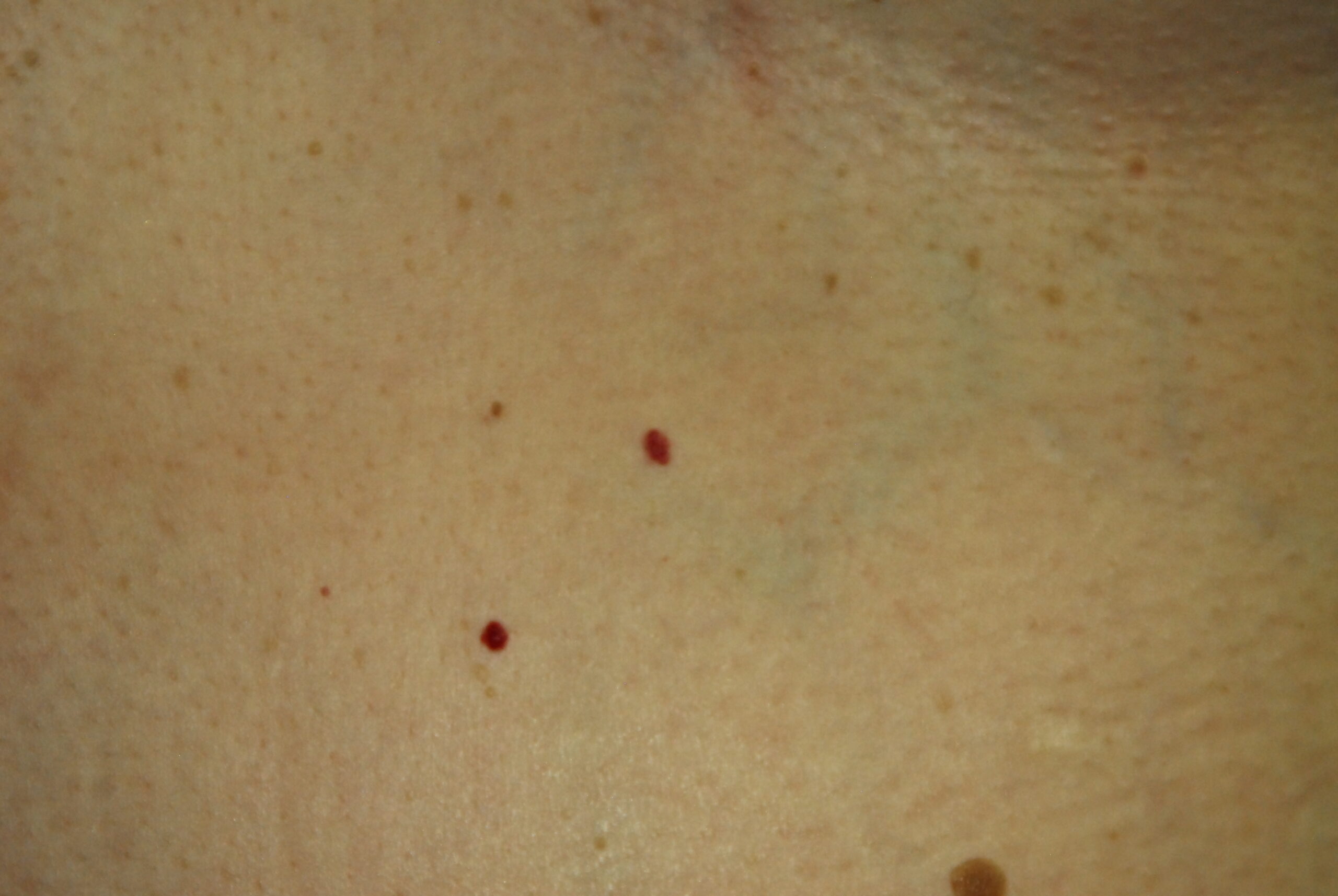
1. Cherry Angiomas on the Torso
Cherry angiomas are small, strawberry-red raised dots on the skin. They typically appear on the torso first and may spread to other areas of the body over time. While individual cherry angiomas are common and often dismissed as harmless, their presence, particularly in clusters on the abdomen, is something Dr. Chi associates with estrogen dominance and potential liver stress (since the liver is responsible for metabolizing excess estrogen).
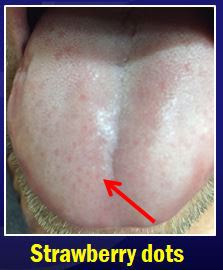
2. Red Dots on the Tongue
Look at your tongue in a mirror. Red dots appearing along the sides and back of the tongue are another observable marker that Dr. Chi associates with excess estrogen activity.
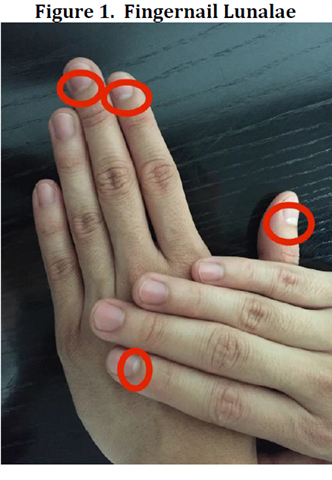
3. Lack of Moons (Lunulae) on the Fingernails
The small white half-moon shapes at the base of your fingernails are called lunulae. In a healthy person, lunulae are typically visible on the three middle fingers of each hand (index, middle, and ring finger). Their absence, particularly on all three middle fingers, may indicate reduced cellular oxygen and is associated with estrogen dominance in Dr. Chi’s assessment method.
These are not diagnostic tools in the clinical sense, and they should not replace a conversation with your healthcare provider. But they are a remarkable and accessible starting point for self-awareness and many people find them surprisingly accurate when they look back at their own history of symptoms.
Everyday Steps to Support Hormone Balance:
The good news is that there are meaningful, practical steps you can take to reduce the burden of xenoestrogens on your body and support healthier hormone metabolism.
Dietary and lifestyle adjustments:
- Choose hormone-free, organic chicken and beef when possible
- Buy organic produce, especially the “dirty dozen” fruits and vegetables most heavily sprayed with pesticides
- Add fiber to your diet. Excess estrogen is eliminated through the bowel, and constipation allows it to be reabsorbed
- Avoid heating food in plastic or styrofoam containers, which leach compounds into food at high temperatures
- Switch to stainless steel or glass water bottles instead of plastic
- Look for phthalate-free and paraben-free personal care products
Support healthy liver function. The liver plays a central role in how the body processes hormones. A balanced diet, good hydration, and limiting alcohol are everyday ways to support normal liver function.
Herbal Products for Healthy Hormone Balance
Myomin is an herbal formula by Dr. Chi’s Enterprise that helps maintain healthy hormone balance.
Chi-F is another formula in the Chi line that helps maintain balanced hormone levels in men and women.
The Bottom Line
Hormone balance is influenced by many things, including diet, stress, sleep, and environment. Learning about these factors is a helpful first step, and many of them are within your control. If you have questions or concerns about your own hormone health, talk with your healthcare provider.
This article is for educational purposes only. These statements have not been evaluated by the Food and Drug Administration. The products mentioned are not intended to diagnose, treat, cure, or prevent any disease. Please consult your healthcare provider before beginning any new supplement or health protocol.
Leave a Reply
You must be logged in to post a comment.